

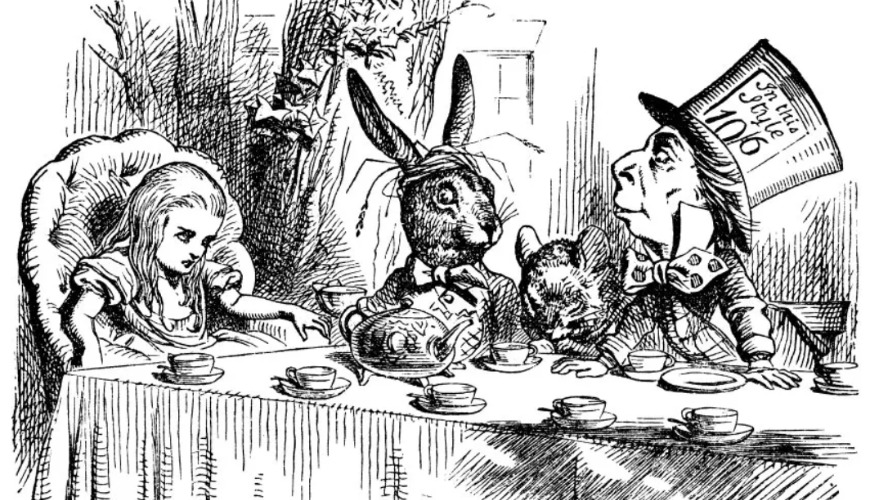
"You might just as well say," added the dormouse, who seemed to be talking in his sleep, "that I breathe when I sleep is the same thing as I sleep when I breathe"
From Alice's Adventures in Wonderland by Lewis Carroll
During winter the world seems to shrink; days are shorter, colour fades from hedgerows and even the most energetic of us can feel the tug towards warm blankets and early-nights. It’s tempting to think the natural world follows suit, that everything just curls up, shuts down and ‘hibernates’ until spring arrives – but it doesn’t. In the UK, there aren’t many mammals who truly hibernate.
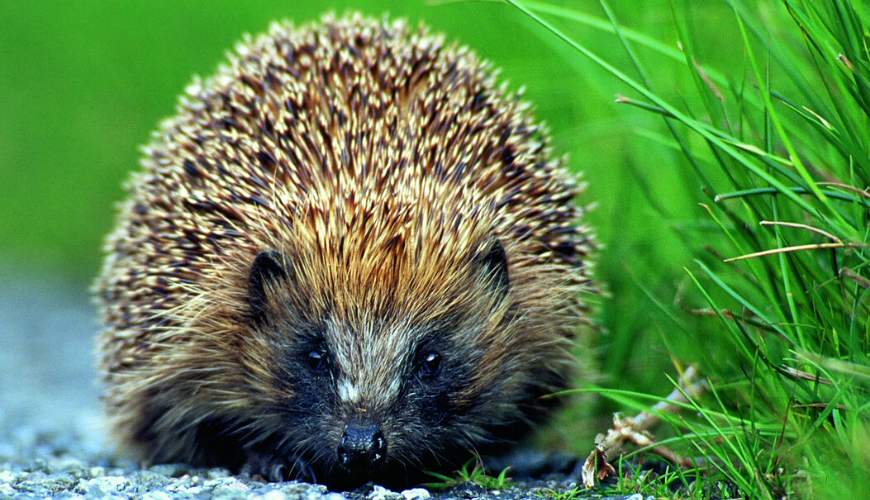
Hedgehogs are the hibernators we often think of first. It’s easy to imagine this small ball of prickles tucked up amongst fallen leaves, or underneath a shed. They usually settle into hibernation around October or November, re-emerging between March and May. Hibernation isn’t without danger for a hedgehog, their body temperature drops, their heart is almost idle, and they rely on the fat stores built during summer and autumn. If a hedgehog goes into hibernation underweight it’s at a serious risk. This is why conservationists often talk about the importance of autumn feeding. In a recent article by BBC News highlights a study into hedgehog habits, and how we can help them when they re-emerge.
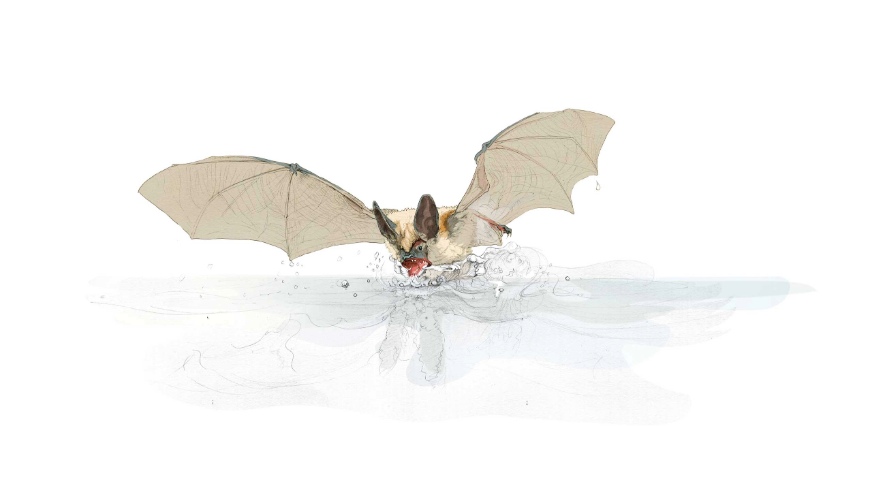
All our bat species, from the tiny pipistrelles to the impressive noctules, enter a state of full hibernation, usually beginning in November and lasting until March or April. During this time, they slow everything: heart rate, breathing and metabolism. They choose winter roosts very carefully, places where the temperature stays low but stable: caves, tree hollows and sometimes well-insulated lofts. This stability is important because a warm spell might wake them too early and a cold snap could burn up the energy they’d banked through autumn.
Dormice are the least-seen but perhaps the most committed of our hibernators; if it were a competition, they would probably win! These tiny creatures ‘switch off’ to the point they’re living on the edge of what’s metabolically possible. They build spherical nests on or near the ground, where cool and consistent temperatures let them sleep without burning too many calories. The Dormouse is so associated with sleep that Lewis Carroll made it a feature of the dormouse character in Alice's Adventures in Wonderland, who kept falling to sleep during the famous tea-party scene.
These three mammals are specialists in their own winter tactics, but many creatures take different approaches. Badgers, for example, don’t hibernate, they enter periods of inactivity, but they stay warm enough and energetic enough to forage during milder spells. Rabbits continue as usual, protected by their warrens. Foxes remain active through frost and snow, shifting their hunting patterns rather than pausing altogether. It is interesting to wonder why, given their size, more of our small mammals don’t hibernate – mice, voles or shrews for example. For shrews, it’s likely they are just too small, their bodies can’t store enough food to keep them going, but we don’t know for certain.
Whether hidden in a leaf-lined nest or foraging in a frosty wood, each animal follows its own script for making it through to Spring.
If you found this blog interesting you might enjoy a recent episode of the Rare Earth podcast, which took a deep dive into wildlife during the winter months.