

Investing in grazing infrastructure with FiPL support.
Guy Prudom and his parents run a tenanted beef and arable farm at Northfields, near Runswick Bay. Guy started developing a rotational grazing system since around 2018. This approach divides pasture into sections known as paddocks. This enabled farmers to move livestock through them rotationally, allowing the sections to regrow between grazing periods.
However, the placement of existing water troughs limited the effectiveness of the system. This made it difficult to provide water where it was needed, and cattle had to pass through several fields to reach a water trough.
“We were not maximising the amount of grass being grown, which led to reduced grass quality and slower growth rates.” Guy Prudom.
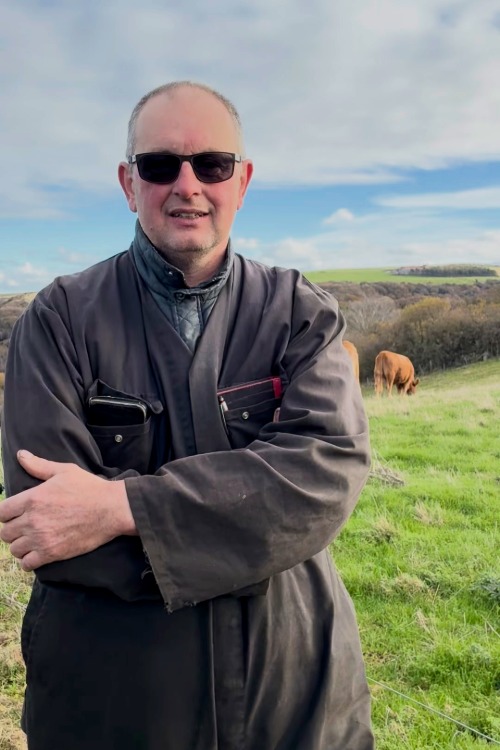
With support from the Farming in Protected Landscapes (FiPL) they purchased the infrastructure needed to create twelve individual paddocks. Equipment included fencing, water pipes and troughs with a solid base.
The improved paddock system has enabled them to extend their grazing period, starting in February and stretching into November. With water in every paddock, Guy can now keep the cattle in each one for 24 hours. That gives the grass longer to recover. Moving the cattle regularly means wet ground doesn’t get churned up by hooves. Smaller paddocks also make cattle easier to locate, inspect and handle and help him spot any animals lagging behind.
Nature is benefitting too, with more insects, especially dung beetles, along with kestrels and songbirds. Guy Prudom
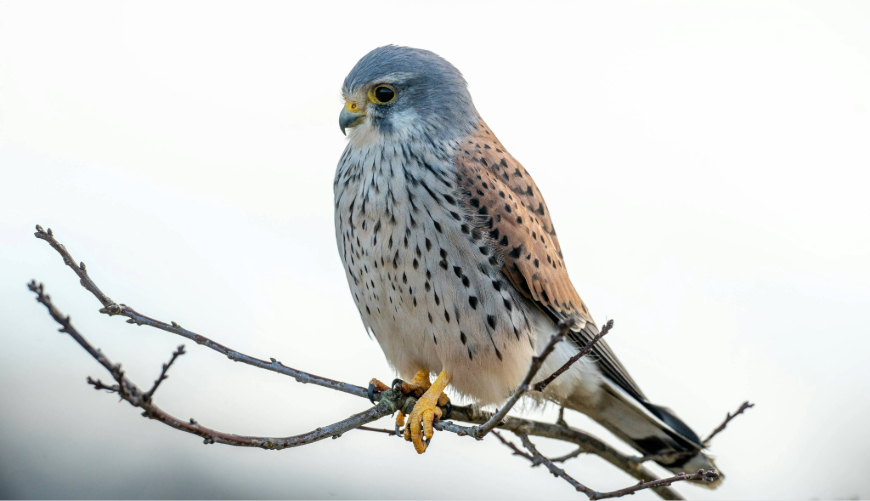
“’We've seen a real drop off in number Kestrels over the last couple of years, now every time I look there's a Kestrel hovering.” Guy Prudom
Last updated: 20 Nov 2026