

What stories lie beneath your feet when you walk across the North York Moors?
From heather-clad moorland to dramatic coastal cliffs, this landscape is rich not only in natural beauty but in human history. Often hidden in plain sight are traces of thousands of years of activity: prehistoric burial mounds, ancient trackways, medieval farming systems, and the remains of industries that once powered local communities.
Many visitors come for the sweeping views and fresh air, but fewer realise just how densely layered the landscape is with stories of the past. This is where the Historic Environment Record (HER) comes in.
The Historic Environment Record is, at its heart, a growing map of the past. It brings together detailed information about archaeological sites and finds, historic buildings and landscapes across the North York Moors, from the earliest evidence of human activity to features from the 20th century.
Every earthwork, ancient boundary and standing stone adds another piece to the puzzle. Some historic North York Moors sites are well known, but many are subtle, visible only as slight undulations in the ground or revealed through aerial imagery and survey.
By carefully recording and organising this information, the HER helps ensure that these places are not lost, overlooked or forgotten.
More than a database
While the HER is a vital archive, it is far from static. It is constantly evolving as new discoveries are made and new technologies emerge.
Modern survey techniques, including remote sensing, allow archaeologists to detect features that would otherwise remain hidden. Excavations, community projects and academic research all feed into the record, building a richer and more detailed understanding of the landscape over time.
The information held in the HER also plays an essential role in how the North York Moors is managed today.
When decisions are made about land use, whether that’s restoring peatlands, improving habitats or planning infrastructure, the HER ensures that heritage is part of the conversation. By identifying where important sites are located, it helps avoid damage and guides sensitive management.
Projects like peatland restoration show how this works in practice. By working closely with HER specialists, conservation teams can protect fragile archaeological remains while restoring the moorland environment, balancing the needs of nature and heritage side by side.
Partnerships with organisations such as Natural England and Historic England further strengthen this work, bringing together expertise from across sectors.
Bringing the HER to life
The work of Historic Environment Records across the country, including in the North York Moors, is now being showcased in a film by Historic England.
The film highlights how HER teams gather, interpret and use heritage data, and how this information supports everything from conservation and research to community engagement and land management.
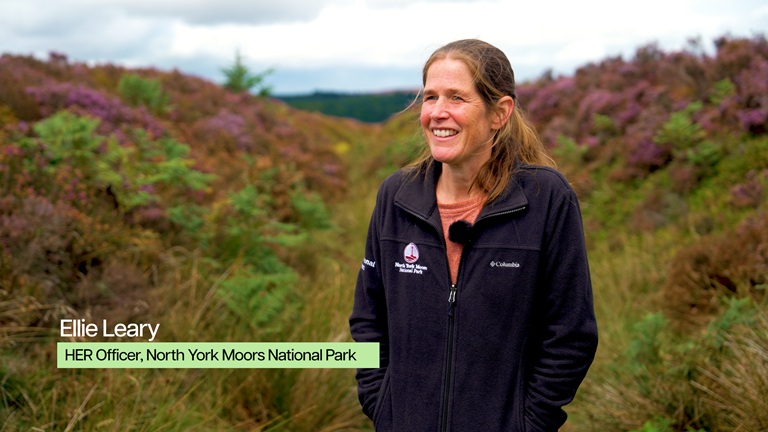
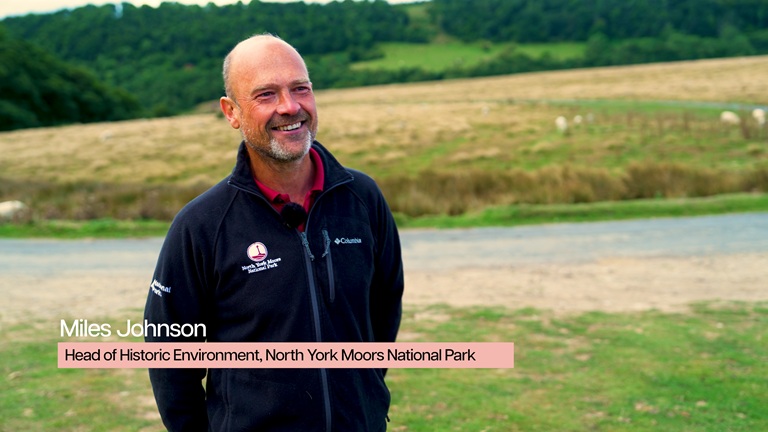
The film explains some of the practical applications of the HER in the North York Moors, such as in the Moor to Restore project, which must ensure that its ambitious plans for peatland restoration also safeguard and protect the area’s heritage sites.
The film also mentions how the HER is being used to support recovery work following the 2025 wildfire on Fylingdales Moor. The devastating fire stripped vast areas of vegetation and peat soils, exposing features of the historic landscape that had previously been concealed. Detailed survey work of this archaeology is now underway, with the HER used to store information about the location and significance of these assets, as well as helping the team prioritise actions to stabilise and protect them from further erosion.
Discover more
The Historic Environment Record is a resource for everyone, from researchers and planners to local communities and curious visitors.
You can explore the North York Moors Historic Environment Record on the HER page of our website.
You can also read more about Historic Environment Records on the Historic England website.