

There are approximately 5500 hectare of deep peat (peat deeper than 40 cm) in the North York Moors National Park.
Peat is an important carbon store as it contains the remains of plant matter that has not been able to fully decompose due to wet and acidic conditions. Peat forms slowly at 1mm a year but also holds carbon for a long period of time. The deepest peat in the North York Moors National Park is approximately 6 metre deep and represents a carbon store of 6000 years.
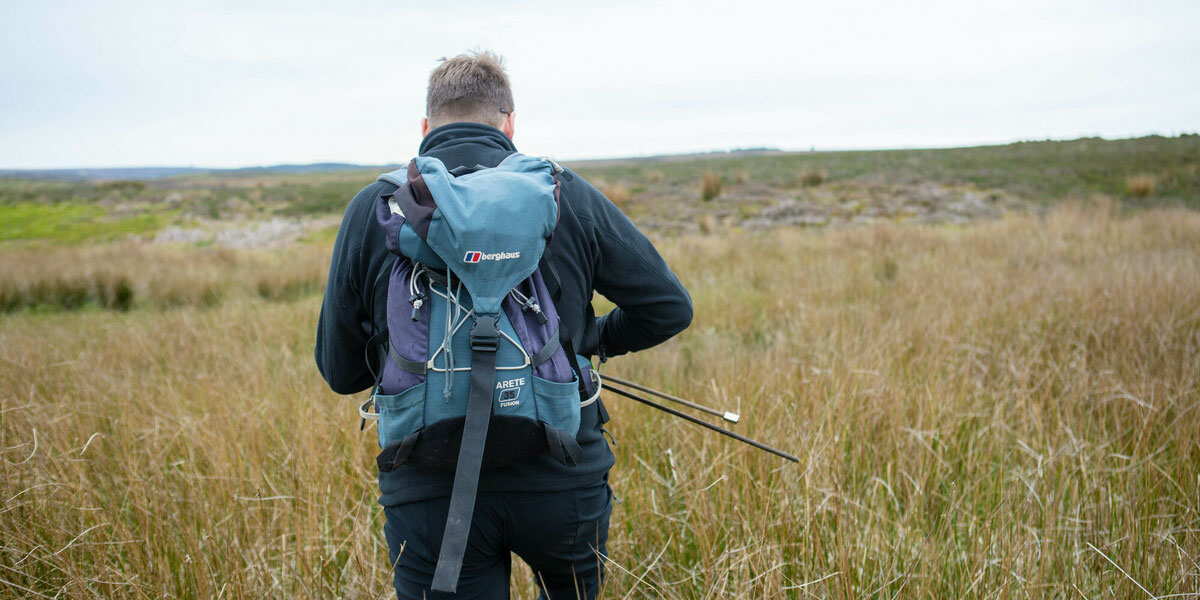
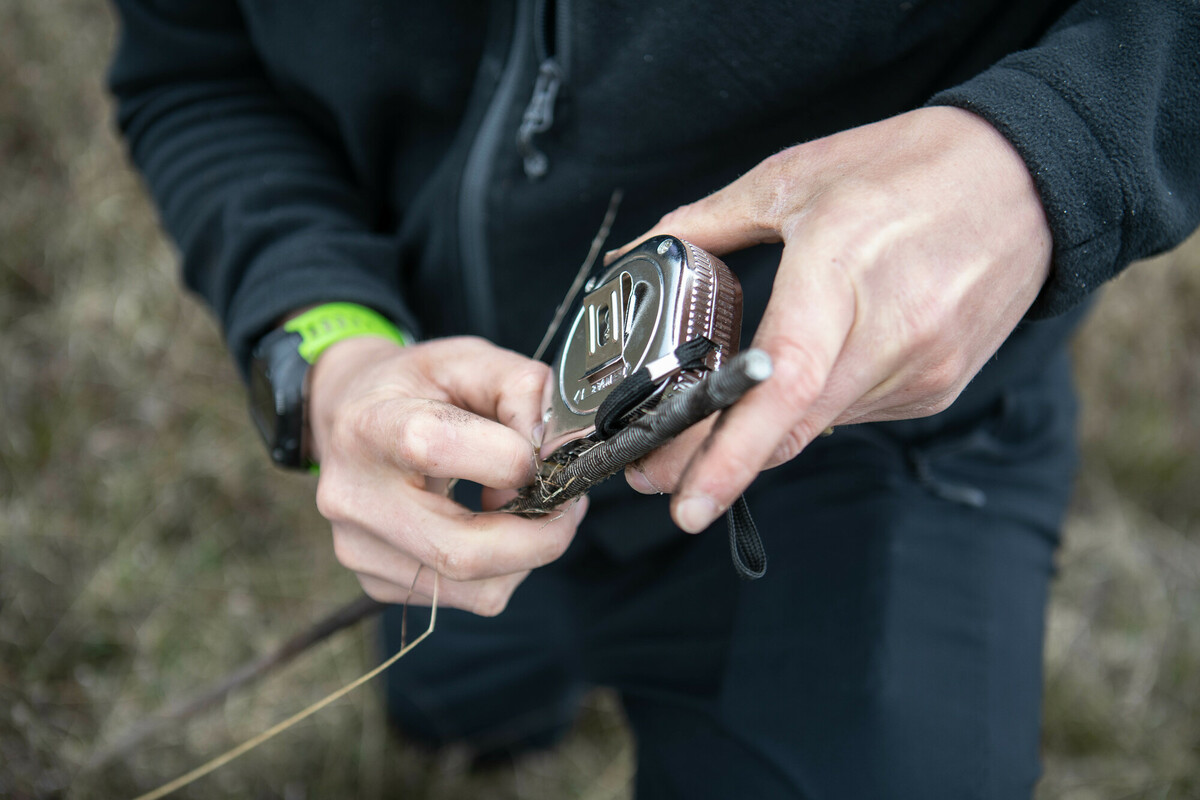
Unfortunately, most of our peatlands are not in a naturally functioning state. Peat extraction for fuel, drainage for grazing, the planting of trees and past management practices have damaged the peat and the characteristic vegetation that grows on it. This has meant that the peat has dried out and started to decompose releasing carbon dioxide and methane into the atmosphere, which can lead to climate change.
By restoring peatlands we hope to slow the rate at which carbon is lost into the atmosphere and eventually to make our peat bogs into environments that can act as carbon sinks.
The Moor to Restore Programme
The Moor to Restore Programme started as a Discovery project in partnership with Forestry England, Yorkshire Peat Partnership, Palladium and Natural England. The project was funded by Natural England’s Peatland Discovery Grant.
This funding was awarded to the National Park in 2021 with the aim of gathering data about peat depth and condition over 9410 hectares of moorland. Despite the value of peat as a carbon store there was an incomplete data set as to the distribution and health over some areas of the National Park. The aim of the project was to survey and create restoration plans for the areas of deep peat in the National Park and allow the mapping of areas of shallower peats for reference and for restoration should funding become available in the future.
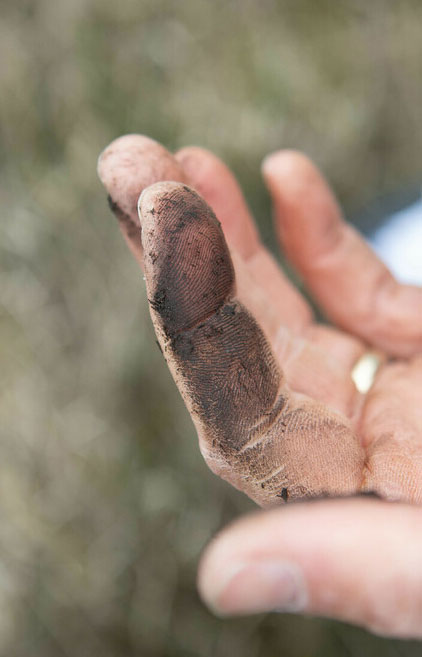
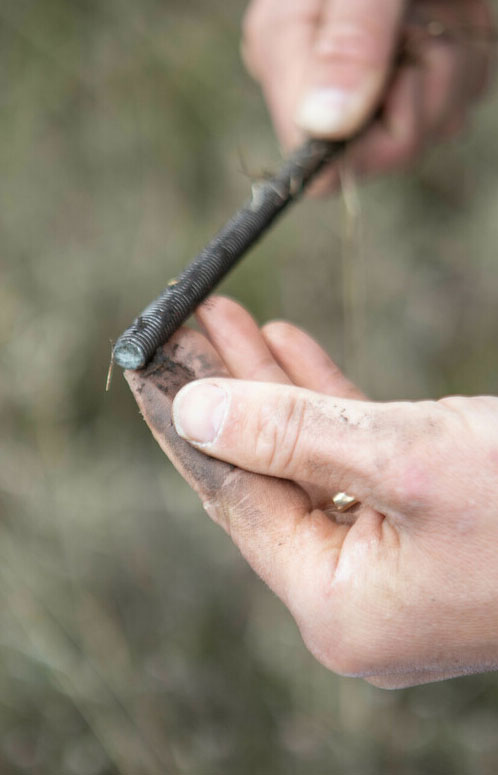
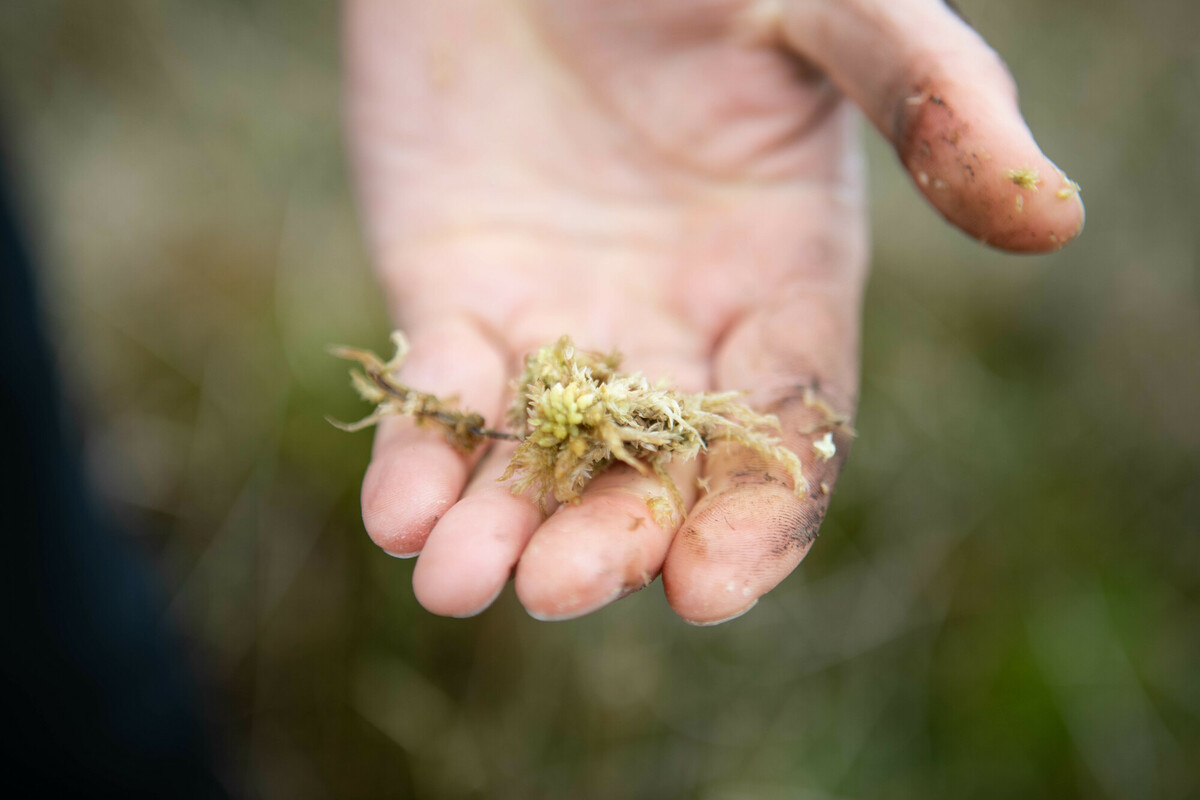
Over the first two years, the North York Moors National Park Authority, Yorkshire Peat Partnership and individual estates surveyed 9410 ha of moorland and peat bogs to establish where deep peat is found in the park.
In September 2023, we began our ambitious peatland restoration project. This work is funded by Natural England, and through S106 agreements linked to ICL Boulby.
By March 2026, more than 500 ha of our upland peat will have been restored. Stay tuned for more updates.
Last updated: 14 Mar 2025