

We need your help to protect our dark skies
Protecting dark skies isn’t about removing all lights at night. We all need light for different reasons, whether it’s to get safely to our front door or to work outdoors at night.
Instead we need to use light responsibly and sensitively to benefit ourselves, our neighbours and the nocturnal habitats around us. Light pollution is reversible! Unlike other forms of pollution, light pollution is a problem with solutions that are easy to implement. These solutions deliver immediate and lasting results plus they save energy and money.
 Is the light needed?
Before installing or replacing a light, consider the purpose of the light and what its impact will be on the surrounding area, including wildlife and neighbours. Reflective paints or luminous markers can be used as alternatives for marking curbs, steps and paths.
 Light only where needed
Direct light only to where it is needed. Consider pointing your floodlights downwards or change to specially designed downlights to reduce wasted stray or upward light that can cause nuisance to others. If coach style lights must be used, see our advice on light levels and colour temperature below.
 Light only when needed
It is rare that lighting needs to be permanently on. Use timers and/or motion detectors to ensure light is dimmed when possible and off when not needed. Well-positioned lights using sensors are better for detecting intruders than poorly positioned lights that are constantly on, which permanently show what’s on offer from a distance and create shadows for criminals to lurk in.
 Light at a suitable level to the need
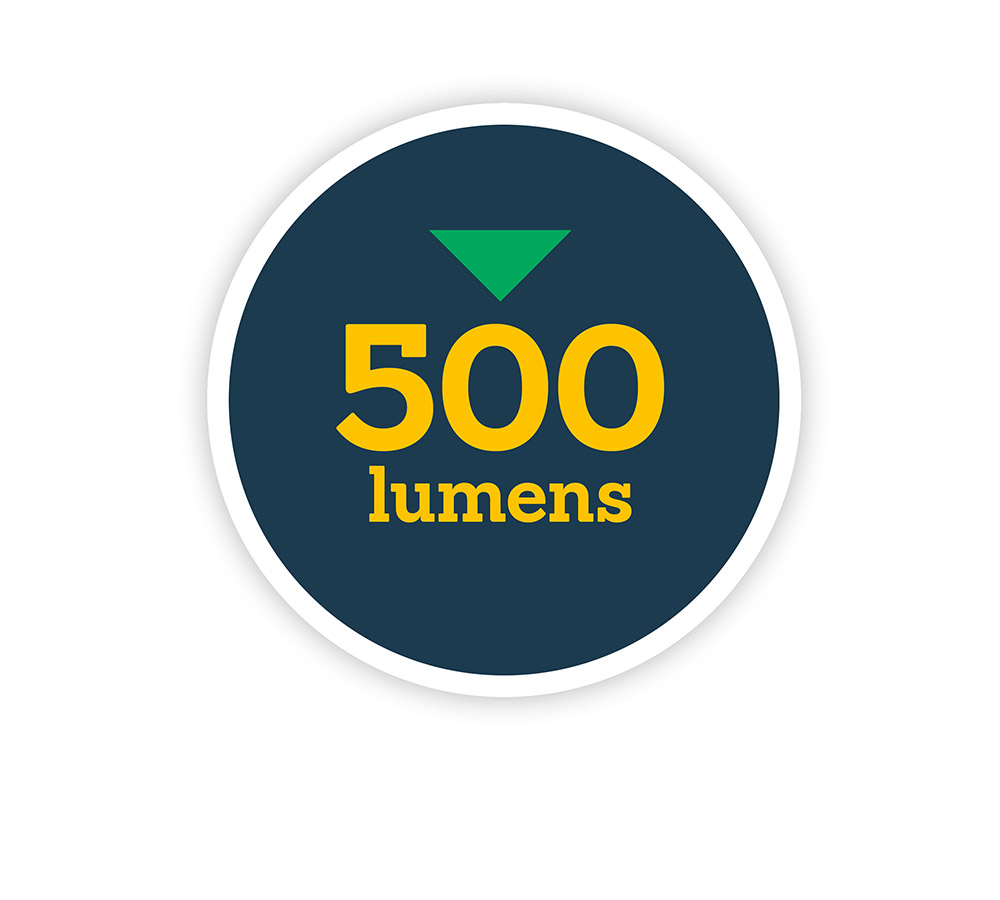
Light should be no brighter than necessary for the task. Typical outside doorway lights should be rated on the box as a maximum of 500 lumens. Where higher light levels are needed for an operational or safety purpose, two smaller lights pointing downwards are better than one big upward angled light, which simply causes glare and nuisance.
 Choose the correct colour
Short wavelength (cool blue) light produces more sky glow and is most harmful to wildlife and human health. Select lights or bulbs that are a maximum of 3000k and preferably 2700k (this is stated on the box or in the product description when looking online).
How else you can help
In addition to your own actions at home, you can ask your MP to join the All-Party Parliamentary Group for Dark Skies. By encouraging your MP to do so you will help to strengthen their voice and introduce legislation to protect our dark skies for generations to come.
There's more information on light pollution through the UK Dark Skies Partnership, an informal collaboration of professional organisations, institutions and UK protected landscapes. Its specific commitments are the protection and improvement of dark skies over both DarkSky Places and others, and the progressive reduction of both urban and rural light pollution through better lighting practice.
Last updated: 22 Oct 2026