

Is the North York Moors the friendliest place in Britain?
Guest writer: Mike Appleton, author of The Complete Guide to the UK National Parks
When I was young, any time I headed north from my hometown of St. Helens, it was in an A-reg Ford Escort, banging along the M6 with Queen on the stereo. Trips were always accompanied by this soundtrack, no doubt hiding the multitude of rattles and squeaks from the car, although my dad did eventually progress to Belinda Carlisle.
Looking back, that car clearly couldn’t make it more than 60 miles, as we always landed in the Yorkshire Dales. I didn’t understand what a National Park was, beyond the fancy Swaledale sheep logo, but I understood pretty quickly that we wouldn’t be travelling much further, and more so, the Lake District was off limits, bar Bowness and Windermere, when we had mum in tow. My introduction to the UK’s National Parks was somewhat limited.
Visiting the North York Moors for the first time
Some 35 plus years later, when I signed up with Bloomsbury to write The Complete Guide to the UK National Parks, I had the ominous task of visiting all 15 in around six months. After spending a diverse week in Wales, the North York Moors was the first English Park on the list.
Having broken through that 60-mile forcefield, sadly, the furthest I’d ventured towards the North York Moors was near Thirsk to plant trees. I had no idea what to expect and just four days to discover as much as I could. I based myself in Kirkbymoorside, a town which felt very similar to home, with four pubs, great food, and people who liked talking about football. That friendliness would become a feature of the trip.
Places to visit in the National Park
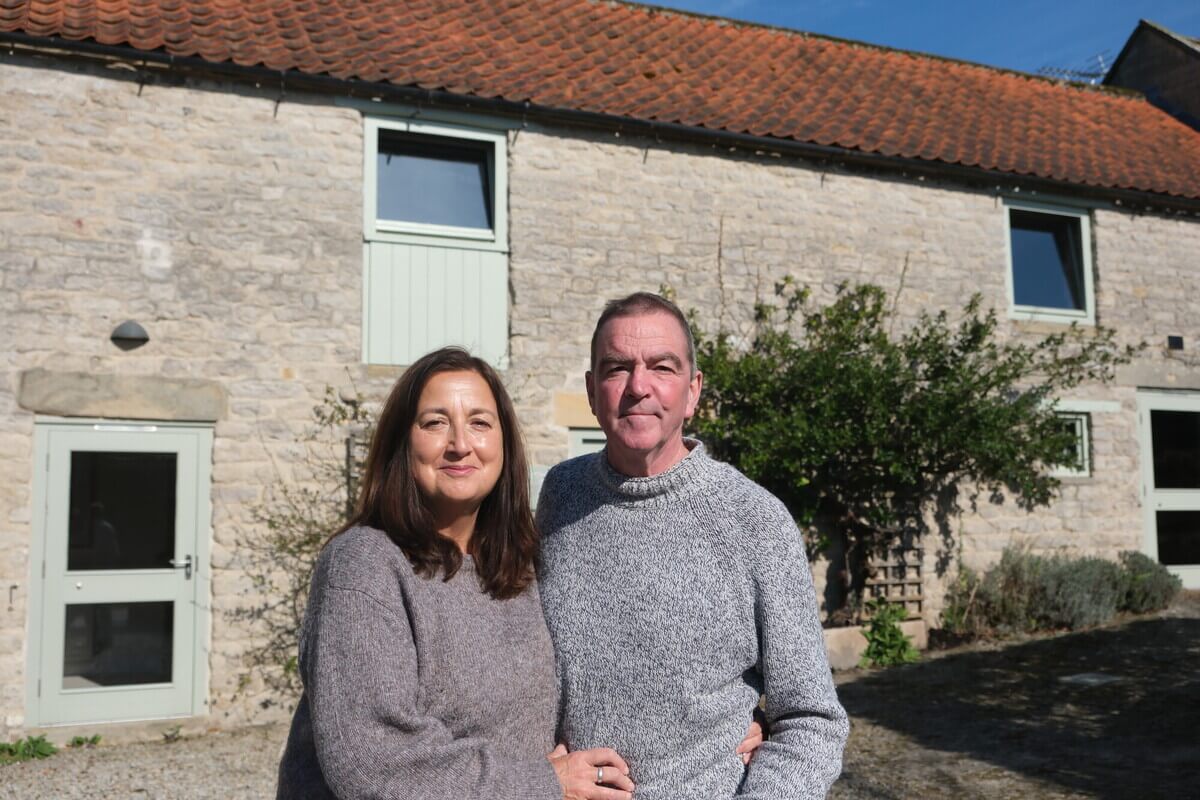
I met the wonderful Ian and Jackie at Town End Farm in Appleton le Moors, as they feature as a North York Moors' Champion, and then had lunch in the Moors Inn. Wandering off, I found a quiet woodland, birds, bugs, ancient trees and friendly animals. Rosedale Abbey was a highlight – again for its tranquillity, as was the drive from Chimney Bank in the clagg. Lastingham – and the incredible crypt took my breath away – Dalby Forest, Rievaulx Abbey and a long circular walk I devised from Sutton Bank National Park Centre, were special moments shared almost alone.
But it was probably Levisham Moor & Hole of Horcum (much visited, I know) that made me fall in love with the National Park. The Dales has great vistas, but nothing as open, as expansive and as inviting as here. I arrived early, with the mist still on the ground, and walked as slowly as I could just to take it all in before seeing a steam train at Skelton Tower. I meandered down an oak tree-lined wooded ghyll and then paused to see the Lockton Limping race come through. Each runner said hello, and moments later I met a couple on the way to Whitby and then two Hull KR fans (I’m a St Helens fan), urging me on to climb out of the bowl.
Whether this is normal, I don’t know, but this National Park seems to breed friendly, salt-of-the-earth folk who want to ensure you’re happy. Visitors can only accept and do the same.
What makes the North York Moors exceptional
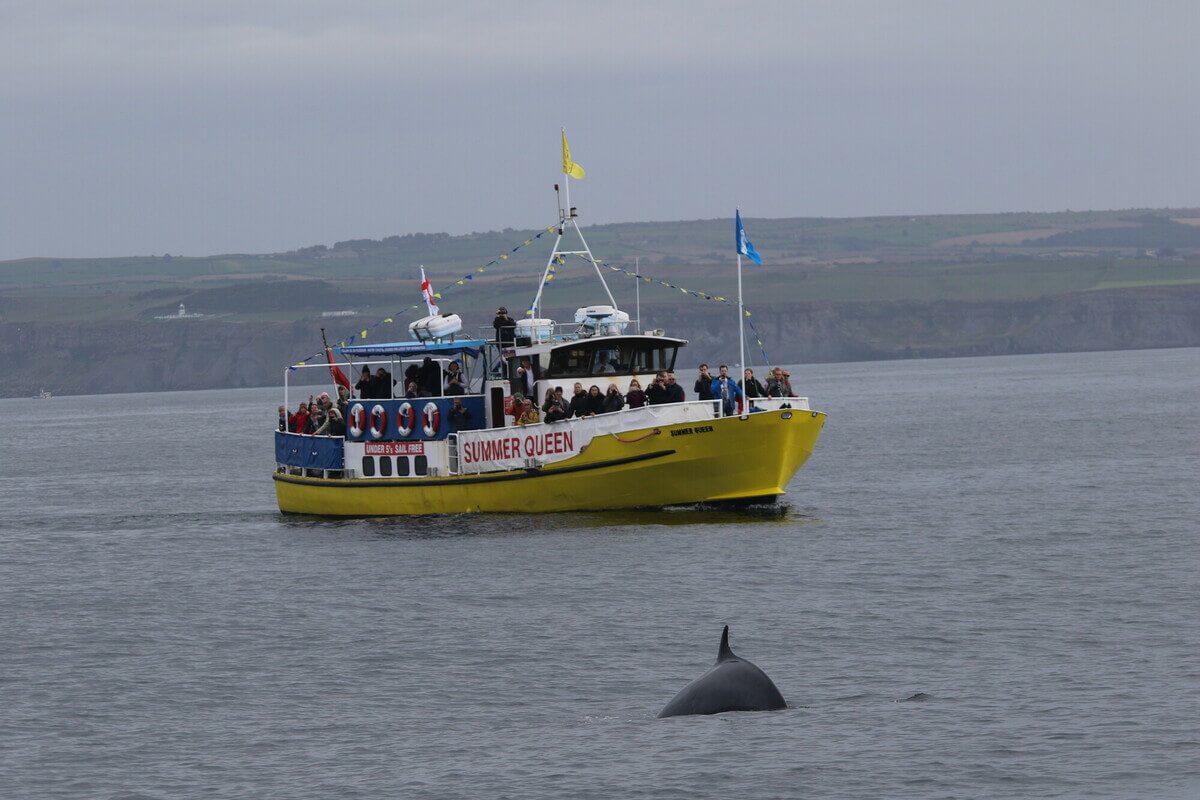
Being in the North York Moors for a short time was a special experience – and it’s easy to see why. It has one of the largest expanses of heather moorland in England and Wales, home to the most northerly colony of the Duke of Burgundy butterfly in Britain, and the southernmost place for the dwarf cornel (creeping dogwood). 23 per cent of woodland covers the National Park, including one of the largest concentrations of ancient and veteran trees in northern England. The coastline too – it’s no heirs and graces, in-your-face rugged. I was amazed to discover fossils and dinosaur footprints at Runswick Bay, Ravenscar and Saltwick Bay and see whales on special tours from Staithes. Whales … in Yorkshire!
The North York Moors is an open place, in both heart and landscape. No one takes a back step; it’s a warm hug of a welcome, but honest too. This National Park knows what it is and what it does well.
The Complete Guide to the UK National Parks is published by Conway and available from National Park Centres and mascarandymedia.com.
Use NYM20 for an exclusive 20% off the paperback version when buying through Bloomsbury Publishing UK. Valid until 31 December 2026.