

The 2025 Fylingdales Moor wildfire and the efforts to control it affected far more than the landscape’s habitats and vegetation. The drastic loss of plant life and peat soil also exposed a wealth of archaeology, revealing fascinating traces of the area’s hidden history while simultaneously leaving them vulnerable to erosion and irreparable damage. Recent months have therefore seen an extraordinary period of discovery; alongside urgent conservation works to record and protect what has been uncovered.
In February of this year, emergency work took place on the prehistoric earthwork known as John Cross Rigg, which had started to collapse in the wet wintery conditions. Now, a prehistoric bowl barrow that was damaged by the construction of a firebreak has been carefully restored to its original shape, protecting the remains within.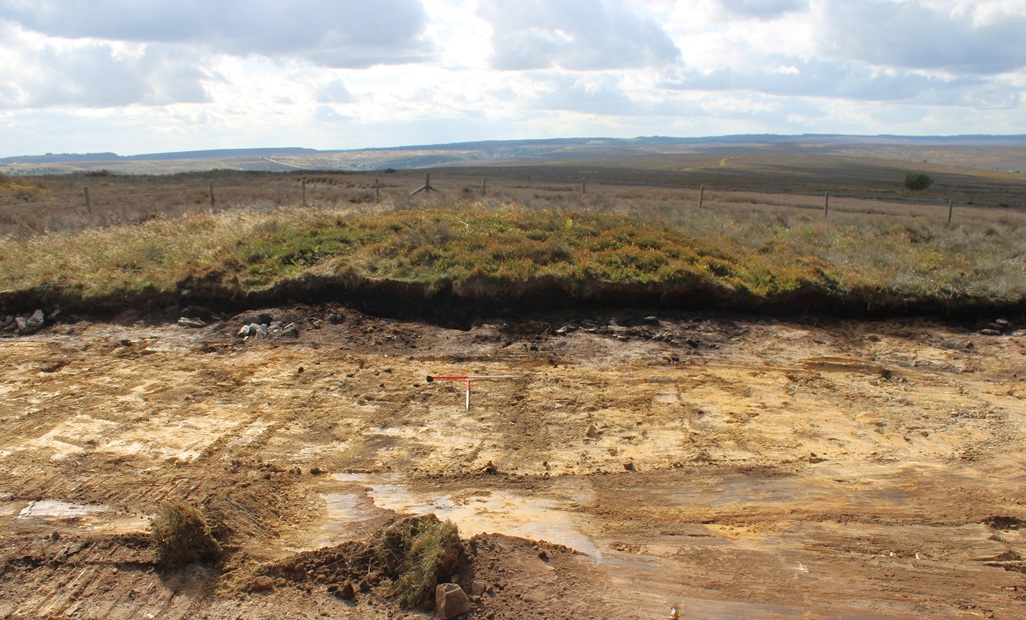
Bowl barrows are a type of burial mound dating from around 3,500 - 4,400 years ago. They are built from earth and rubble and cover either single or multiple burials. During the emergency response to the fire, one of the barrows in the area was unfortunately clipped by the construction of a firebreak, removing around 1.5 metres from one side and revealing the layers of earth and archaeological deposits beneath the surface.
Working with Forestry England and Historic England, the National Park Authority initiated works to record and repair the damage to the monument. The site was partially excavated, and a column sample was taken to preserve a vertical sequence of the material within the barrow.
Although the circumstances are unfortunate, this was a unique opportunity to learn about the origins of this enigmatic monument. Using modern archaeological techniques, analysis of the sediment trapped underneath the mound, including pollen and other microscopic remains, has the potential to reveal what the natural environment was like at the time the barrow was built. Soil samples were also taken to look for larger plant and animal remains, and some finds may be suitable for radiocarbon dating, which could help establish a more precise date for the barrow.
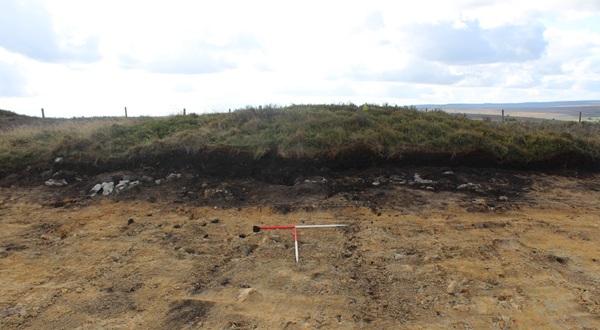
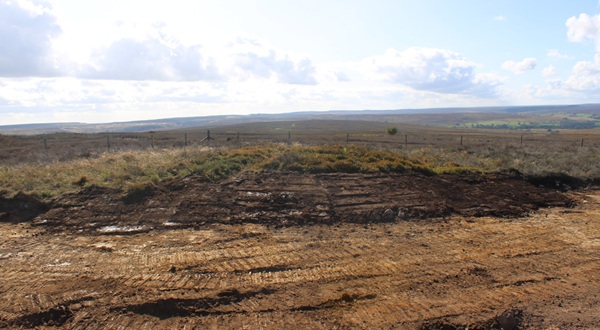
Once the investigation work was completed, material that had been removed by the firebreak construction was carefully replaced following the line of the earthworks and reinstating the full extent of the dome shape. The repair is important not only for restoring the monument’s appearance, but to protect the archaeological deposits within it from further erosion and exposure.
Once the firebreak is backfilled and vegetation returns, the barrow should once again look much as it did before the fire.
The archaeological analysis is still in its early stages, but the work has shown that the rich historic environment of Fylingdales Moor adds another dimension to its recovery from fire.
The barrow is now safeguarded from further erosion, while the samples taken during the work could provide new clues about the people and environment of the North York Moors thousands of years ago.
Last updated: 16 Oct 2026