

What is ecology?
Ecology is the study of relationships between living things and the environment. This page highlights some of the key ecological features in and around the Hole of Horcum.
Grassland
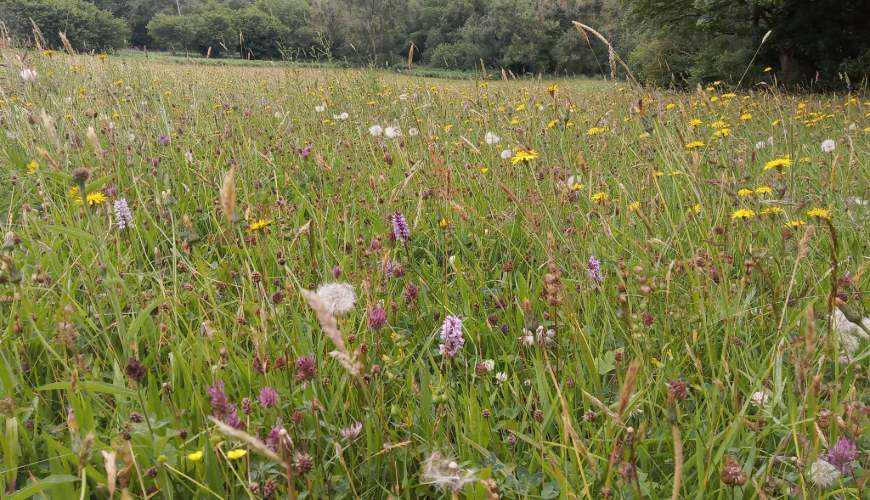 As you wander beside a grassland habitat in spring, you might spot rare plants such as the beautiful pink or purple flowers of the green winged orchid. These flowers are marked by a green-striped hood – from where the plant takes its name. This plant is pollinated bumblebees and relies on a special partnership with soil fungi to grow.
Heathland
One of the most distinctive features of the National Park is its heathland. These areas have been shaped by generations of human activity. Low growing plants such as heather and bilberry thrive in the poor, sandy soils common across these beautiful moorland habitats.
Peatland
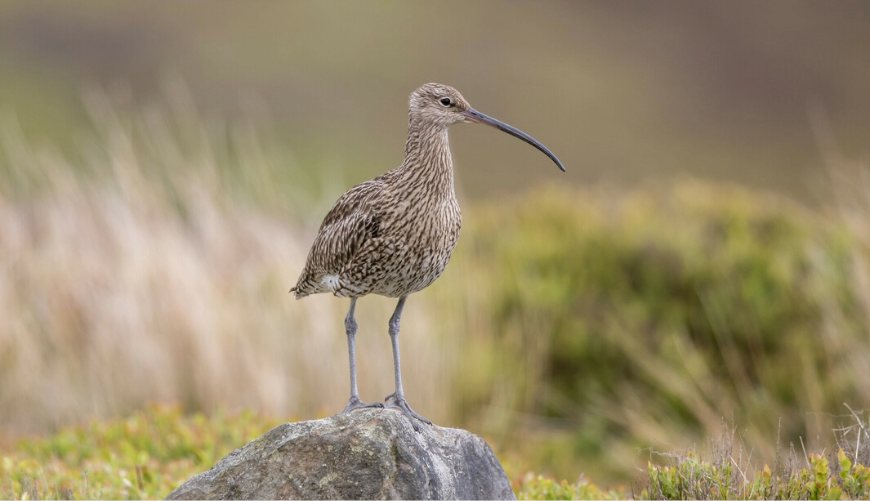
The restoration of peat soil across our moorland sites helps retain rainwater to create wetter habitats rich in insects. This supports ground nesting birds like curlew, lapwing and golden plover, whose chicks forage under the cover of heather and rough grass. It also reduces flood risk by slowing water run-off during periods of heavy rain.
Ancient woodland
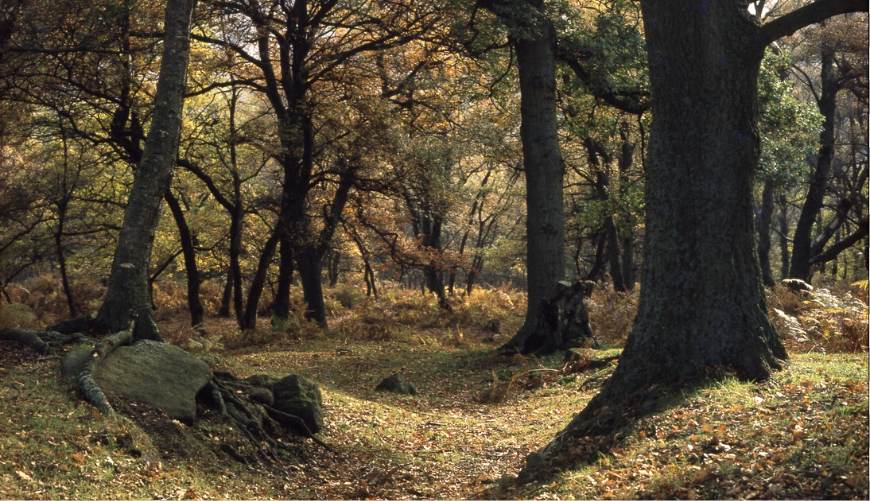
To step into an ancient woodland is to step into a natural time capsule. Woodland that has been continuously wooded since at least the 1600s is considered ancient. Ancient woodland thrives on a complex underground network of fungi; this forms an essential relationship with the trees and plants above, helping to sustain a rich ecosystem which evolved over centuries.
Low Horcum farm buildings
These former farm buildings provide shelter for a thriving population of bats. Their presence is the sign of a healthy ecosystem and effective land management. Bats hunt for their prey using echolocation, which requires them to shout at a very high pitch and listen to the echoes that bounce back off the trees, ground, insects and anything else close by.
Last updated: 27 Jul 2026