

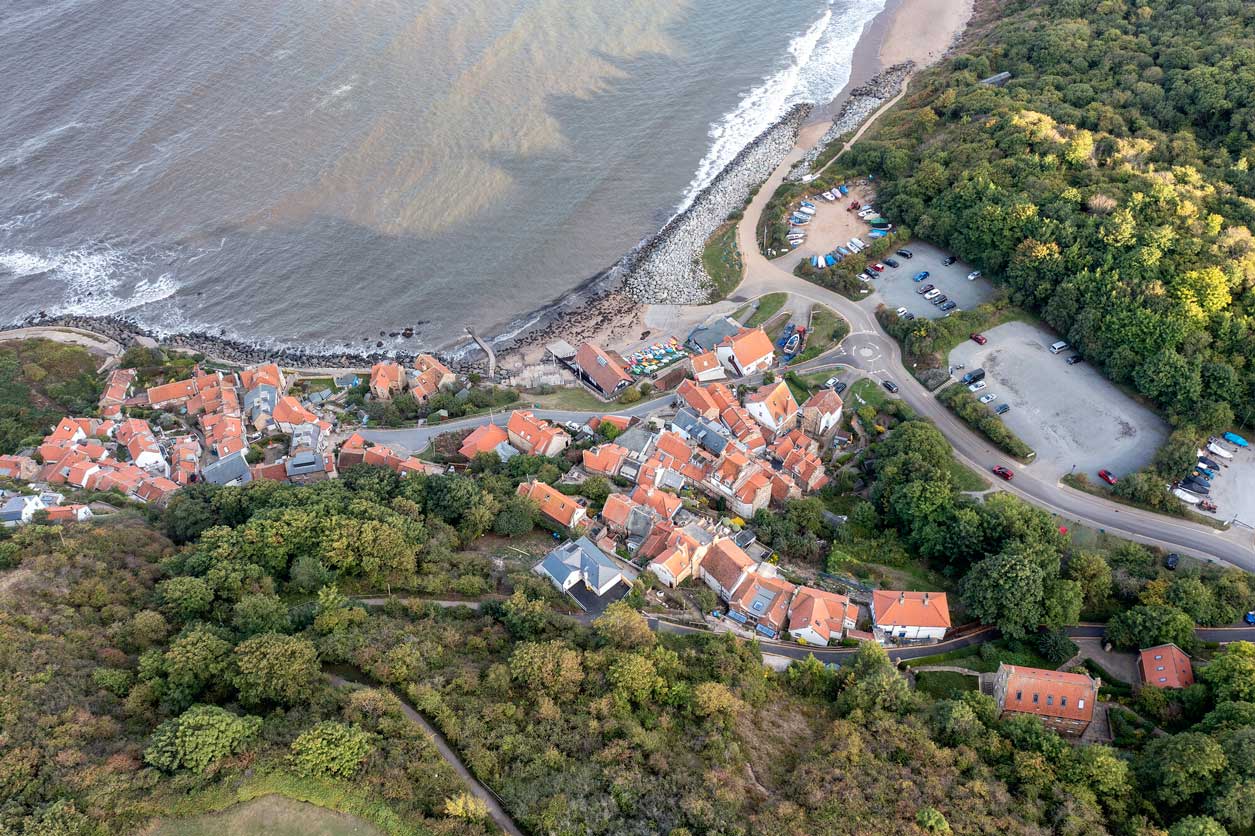
Across our rugged coastline there are towering cliffs, rocky shores, steep wooded valleys (or 'wykes)', sheltered bays and sandy beaches. It’s a place of dramatic views, with the highest point on the east coast of England found at Boulby, near Staithes, where the cliffs are a mighty 203 metres (666 feet) high. Elsewhere, you’ll find wild flowers, nesting seabirds and abundant shore life, while dotted along the coast are attractive villages and the remains of ancient industries.
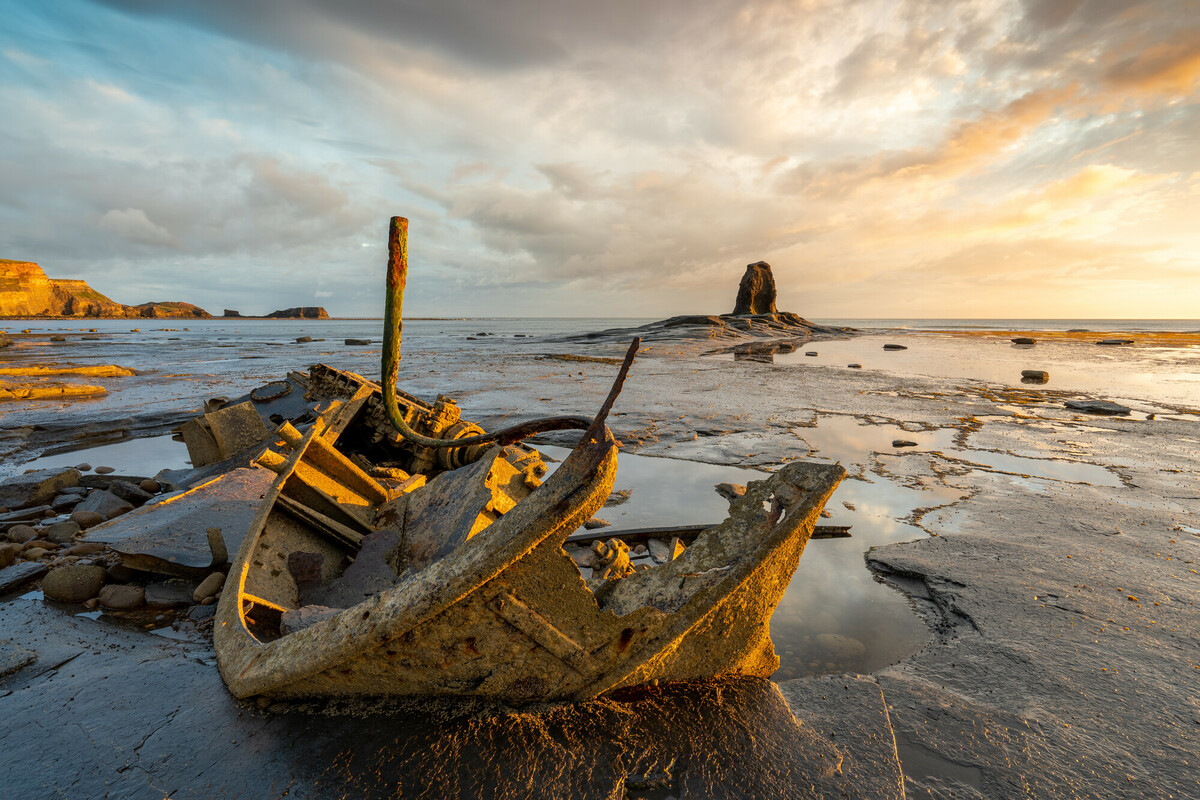
The coast is also internationally important for its geology. Indeed, it was here, in the nineteenth century, that geologists like William ‘Strata’ Smith laid many of the foundations of the early science. The rocks on the cliffs and shore formed during the Jurassic period, around 180 million years ago. These sandstones and shales contain fossilised remains of the plants and animals that lived at this time, from ammonites to dinosaur footprints.
North Yorkshire and Cleveland Heritage Coast
In England and Wales, the most beautiful and unspoilt stretches of coast have been given special status to ensure they are cared for by local authorities and government agencies. These iconic coastlines are called ‘Heritage Coasts’ and there are over 40 around the coast of England and Wales.
The North Yorkshire and Cleveland Heritage Coast is 36 miles long and stretches from Saltburn, just north of the National Park, down to Scalby Mills near Scarborough.
The Heritage Coast is a fascinating area to explore and enjoy, but the coast can also be a hazardous place to visit if you don’t follow a few basic safety precautions.
Download the Coastal Safety Code (pdf) and stay safe on the coast
Cleveland Way National Trail
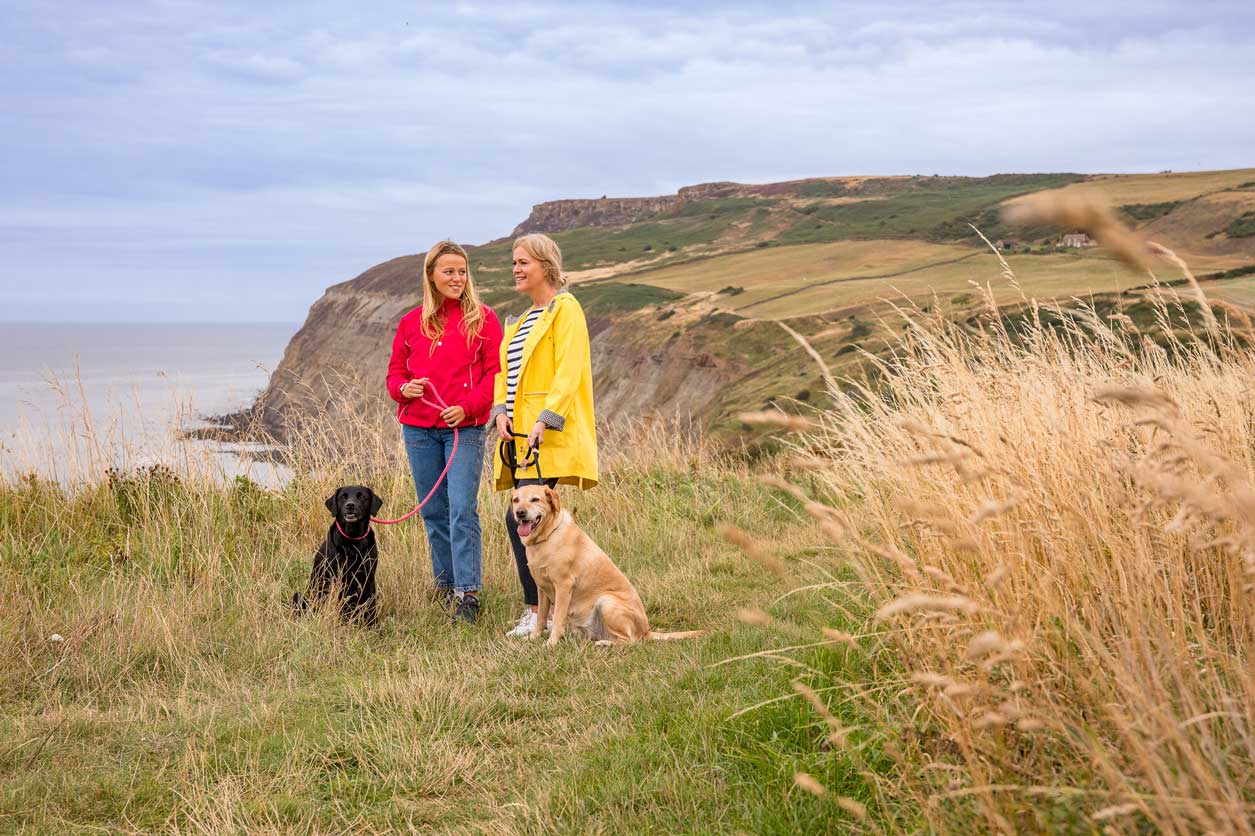
One of the best ways to enjoy the coastline of the North York Moors National Park is to walk along the cliff path, which forms part of the Cleveland Way National Trail. The full coastal section from Saltburn to Filey is 53 miles, but you can also walk shorter distances between the towns and villages – see the Top 10 Trails website for more ideas.
Walks along the National Park coast are also available as free downloadable routes from the walking area of our website.
Coastal wildlife
The shore – the narrow strip between land and sea – is arguably the richest area for wildlife anywhere in the country. Not only is there a huge variety of animal and plant life, but the sheer numbers involved are staggering. For example, one square metre of rock may support over 30,000 barnacles alone!
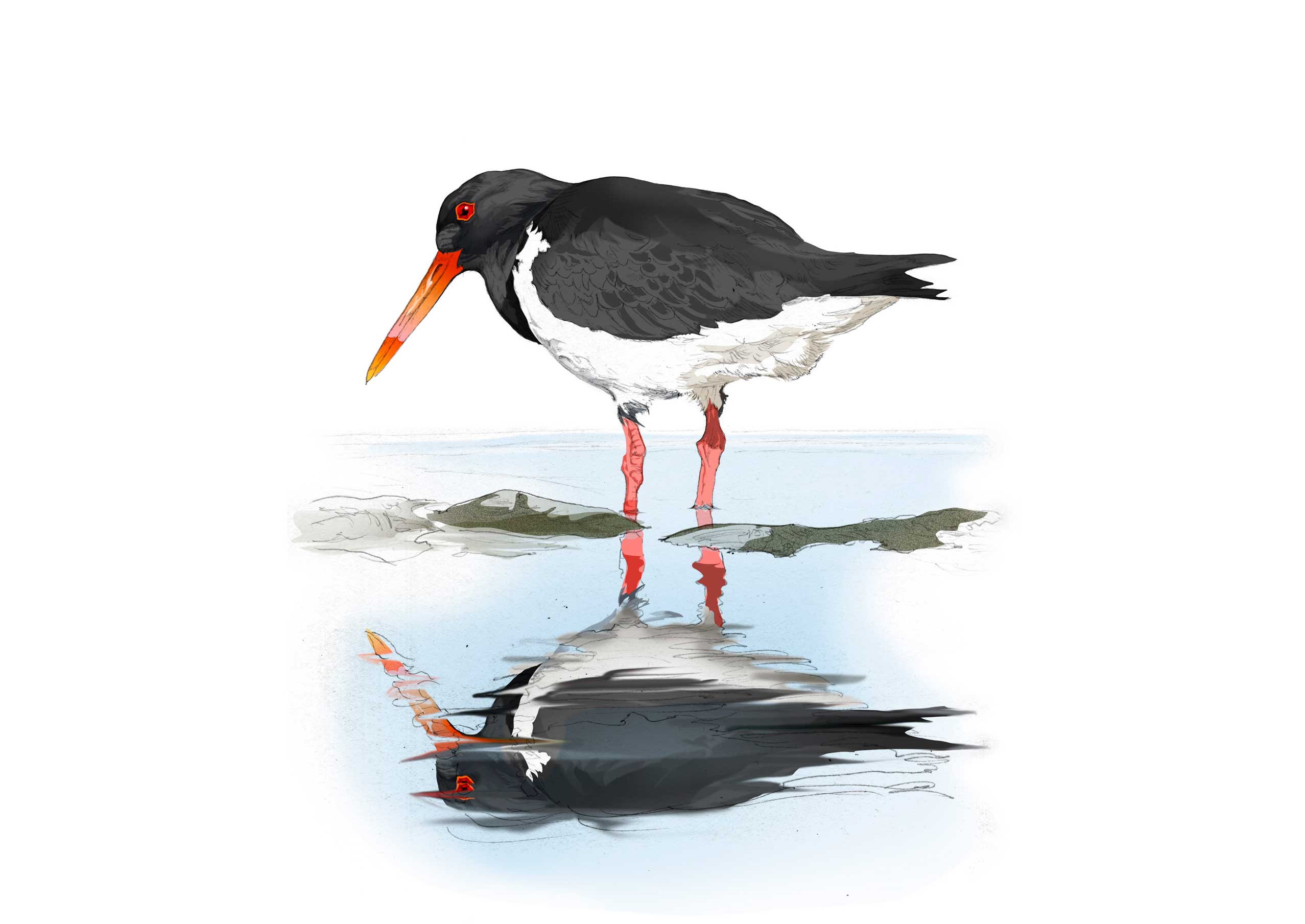
Unlike animals living in the deep oceans or on the land, shore animals have to be able to survive in one of the most difficult of habitats. As the tide goes out creatures that normally live under water must survive for anything up to twelve hours, some in the open air, others in the increasingly warmer and saltier rock pools.
Darting blennies and butterfish share their temporary home with dog whelks, periwinkles, limpets, topshells, mussels and the occasional shore crab or edible crab.
If not prodded, poked or eaten by seabirds or humans the shore creatures must also survive the tremendous battering of waves when the tide returns up the shore. No wonder that many have evolved special ways of dealing with these complex problems.
Further out, beyond the waves, huge kelp forests provide a tangled habitat that adds to the prolific biodiversity of the coastline.
In the deeper waters off the coast in the summer, you may be lucky enough to catch a glimpse of whales and porpoises as they surface for air. Minke, pilot, fin and sei whales have all been spotted from inshore boat trips, and they provide a marvellous spectacle as they crest the waves before returning to the darker depths of the North Sea.
Common and grey seals can also been seen along our coast as they 'haul out' and sun themselves on the rocky shore.
Last updated: 12 Nov 2025