

Linking pollinators, people and places across the North York Moors!
GrubsUp! aims to restore, enhance and connect precious habitat for invertebrates, increase species abundance and boost resilience in the face of climate change. The project has a community focus, bringing together both people and places with nature.
Making B-Lines
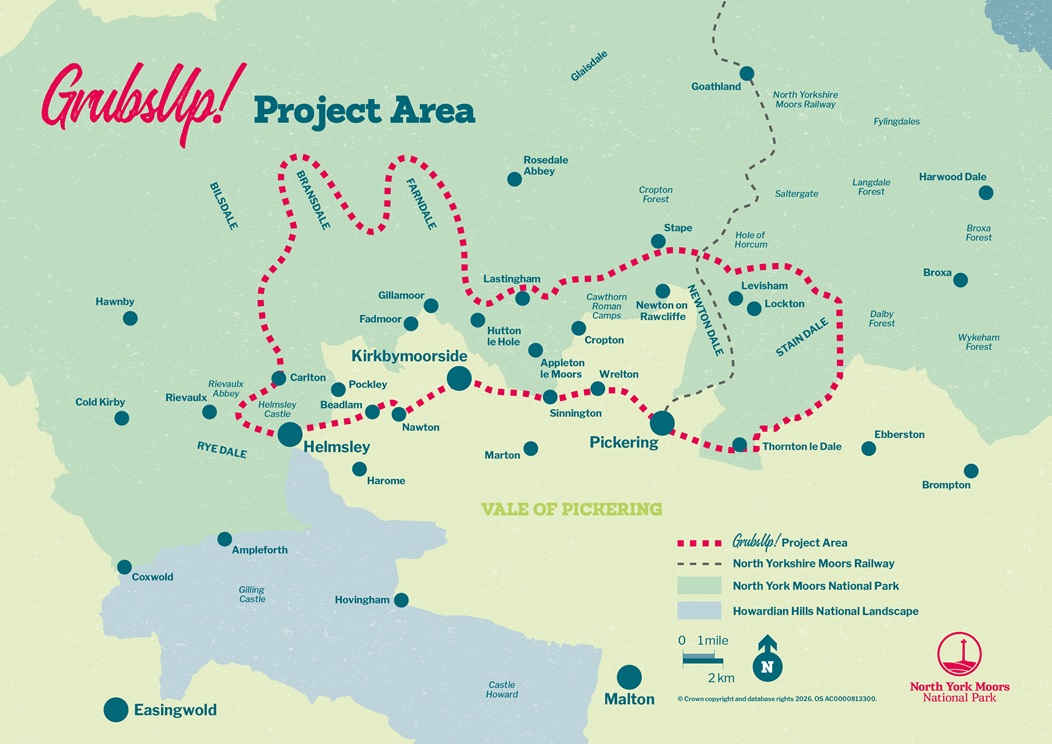
GrubsUp! covers nearly 200 square miles of ‘B-Lines’, also referred to as 'insect super-highways'. B-Lines link existing wildlife areas together, creating a network, like a railway, that weave across the landscape for the benefit of pollinators. You can read more about B-Lines are their benefits on the Buglife website.
The initial project area focussed on a stretch of the Tabular Hills to the north of the A170, reaching Helmsley Moor in the west and Levisham and Dalby Forest in the east. This region of the North York Moors is dominated by limestone rock supporting many small pockets of calcareous and neutral species-rich grassland. This area also includes key target areas for rare butterflies, and extensive stretches of road verge with potential for habitat improvements.
In January 2026, an extension to the project saw GrubsUp! expand its activity into Bransdale and Farndale - two distinctive dales that spur off from the main B-Line network. Both areas have high ecological potential, featuring traditional hedgerows, remnants of species-rich grassland, road verges and riverside (riparian) habitats, but are relatively isolated with little habitat connectivity. GrubsUp! will work to change this, creating and restoring hedgerows, meadows and ponds and linking these areas to existing B-Line corridors, dramatically expanding the reach of pollinator networks.
Our partners
In January 2026, it was announced that an extension to GrubsUp! would be supported by global hospitality partner Levy UK through its Living System Fund, a new not-for-profit initiative developed with RegenFutureCo.
GrubsUp! received funding from Santander UK as part of the bank’s continued support of the UK’s protected landscapes and collaboration with National Parks Partnerships (NPP). The project has also been supported by Howdens, including through the donation of timber offcuts for the productions of flatpack bird and bat boxes.
For more information about these national partners and how they support out conservation work, please visit Our National Partnerships page.
What we’re aiming to achieve
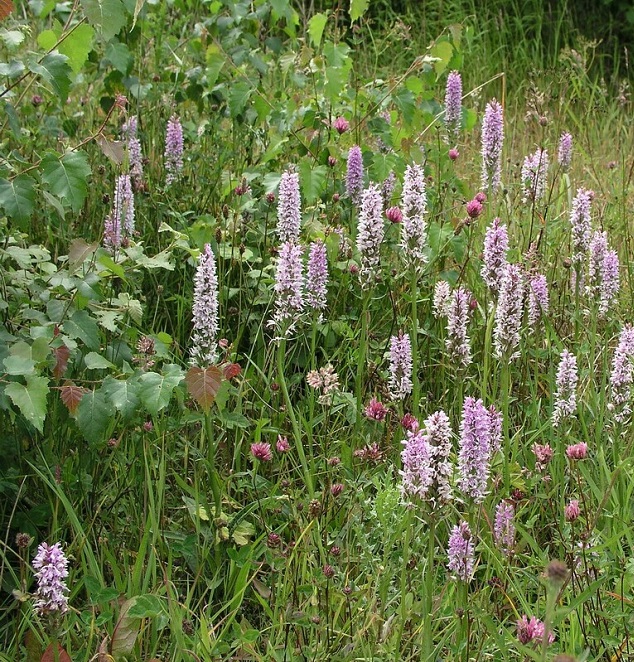
Local provenance wildflowers, grasses and hedgerow climbers
A key part of this project will see coordinated collections of local wildflower seeds from species that are already growing in the area. These will be propagated in polytunnels, producing young plants that are well suited to local conditions and can be used in the creation of new meadow habitat. Schools will have opportunities to get involved, helping pupils learn where wildflowers come from and why they matter.
Road verges
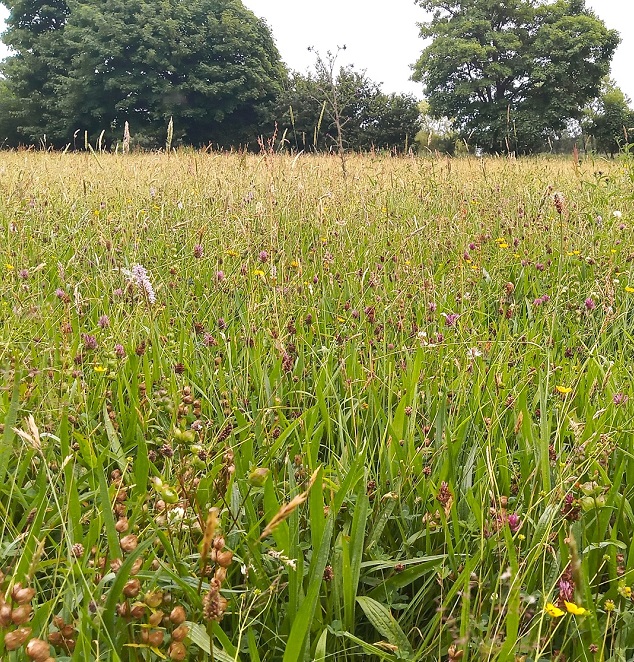
Areas of road verge, away from junctions and sight lines, make fantastic grassland habitats if they can be left to grow long until flowers have had chance to set seed. We have funding to enhance the diversity of verges through the addition of native wildflower and grass seed where appropriate, to create a connective corridor for pollinators.
Species-rich grassland sites
We'll be creating and restoring species-rich grassland sites to improve and secure their long term condition. We're also creating small pockets of wildflowers and grasses to connect larger areas of species-rich grassland. This could be in gardens, on holdings and in public spaces.
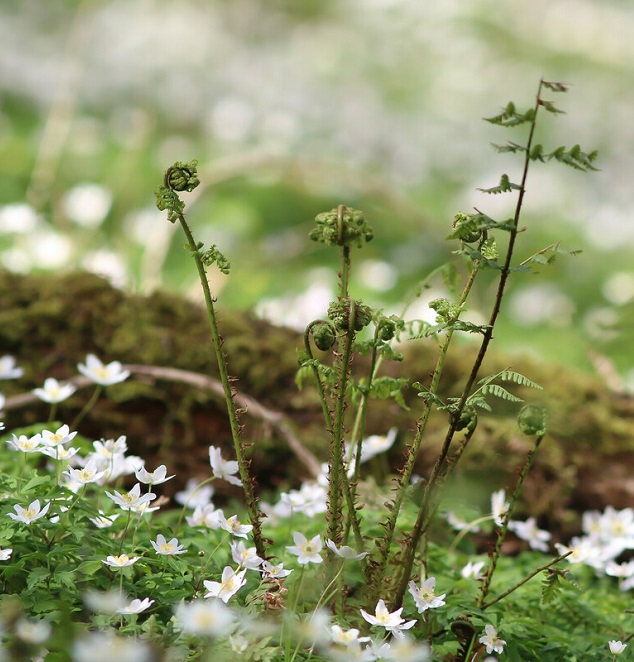
Wood meadows and woodland flora
Boosting the diversity of woodland flora and increasing the richness of open spaces within woodland to create wood meadows.
Species-rich hedges
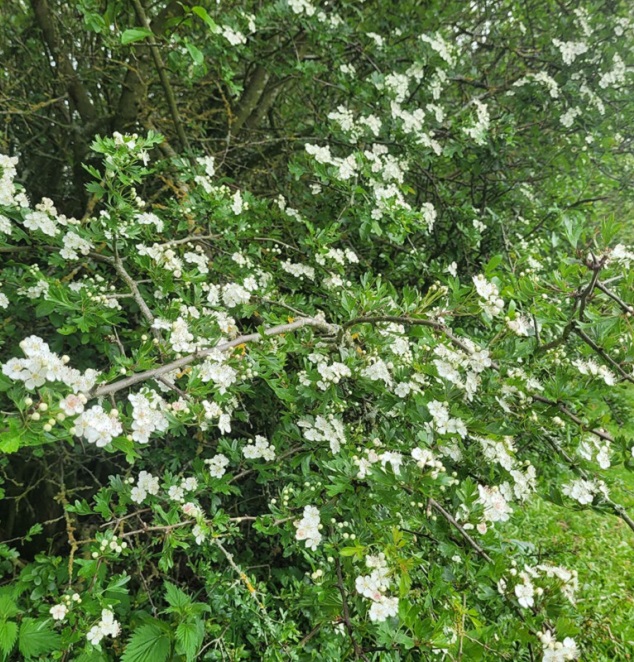
This project will increase the diversity of existing hedgerows through selected gap planting of additional shrub species, native climbing plants and in-hedgerow trees. There’s also support available to develop hedge associated ground flora and guidance on managing hedgerows to allow flower and berry production.

Wet habitats
Many invertebrates spend their larval stage in a wet habitat and this project aims to provide a range of wet habitats across the project area, through pond restoration and/or creation, blocking of ditches or other actions to increase water holding capacity of the land as well as improving accessibility of fresh water.
Traditional orchards
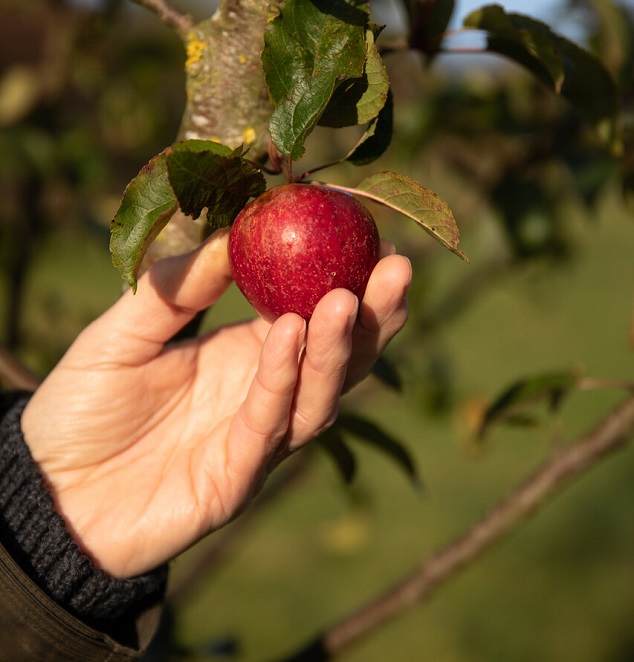
Funding is available within the project area to plant local varieties of fruit trees in spaces where grassland can also be enhanced, creating biodiversity hotspots. Where orchards are existing, next generation fruit trees can be added and the ground flora enhanced through management and either seed sowing or plug planting.
Landscape trees
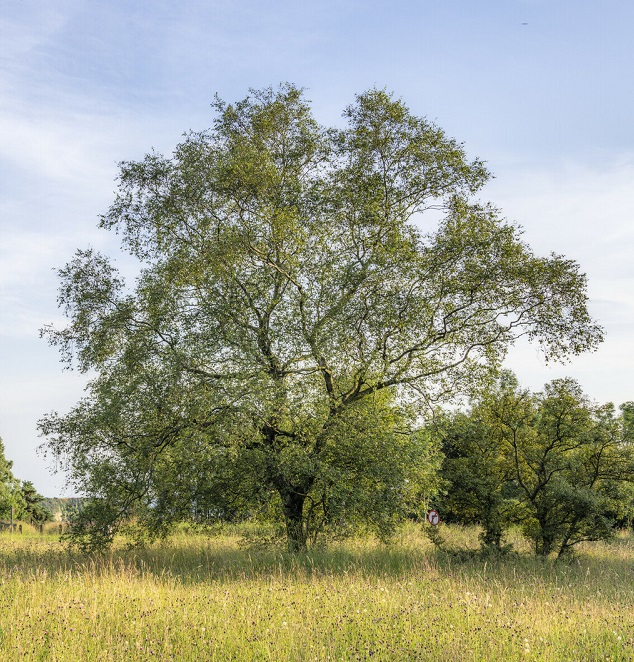
We'll be planting individual, local provenance trees along boundaries and within fields. These will provide habitat connectivity, linking existing woodland and hedgerows, and will increase age diversity of tree stock.
Wildlife homes
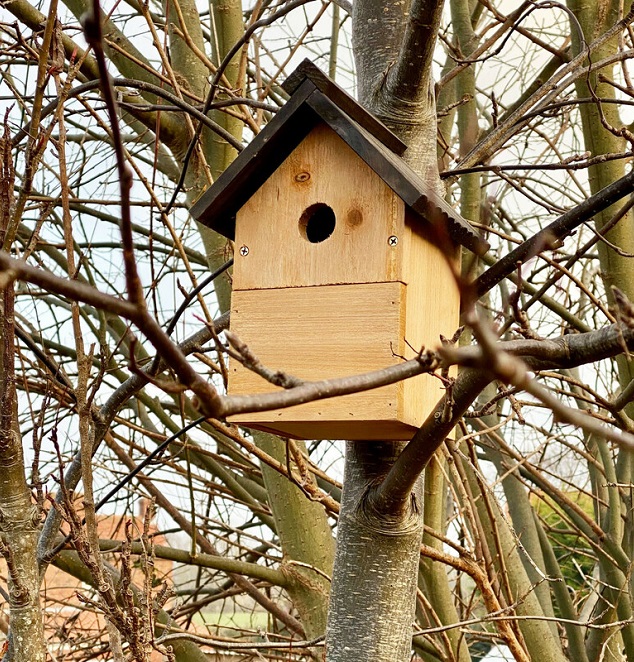
We are working with a local Men in Sheds group to create wildlife homes including bird and bat boxes. These will be available upon request for anyone within the project area.
Dark Skies
We'll be helping land owners and land managers switch to dark skies friendly lighting, an important but often forgotten consideration where habitat is being created and restored. Insects, bats, birds, mammals and aquatic species are all affected by artificial light. Darkness itself is a critical habitat.
Last updated: 23 Jul 2026