
“The holly and the ivy
when they are both full grown,
of all the trees that are in the wood
the holly bears the crown." - Traditional carol.
Holly and ivy have been part of winter rituals in Britain for centuries (long before Christmas decorations became a thing) because when so much else died back, they refused to fade. Step outside on a cold December morning and you’ll still find their flashes of green in the hedgerows.
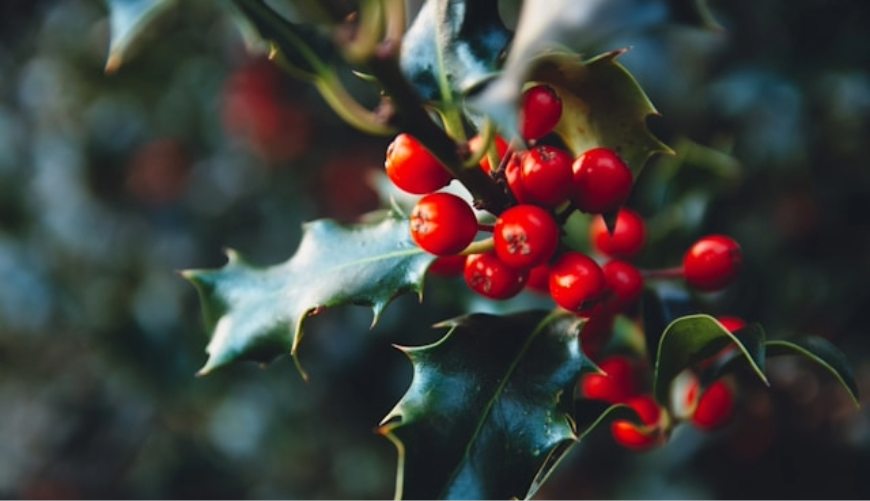
Holly is instantly recognisable. Its glossy leaves and bright red berries don’t just look festive; they’re a survival strategy. Holly is dioecious, meaning male and female flowers grow on different trees (only females produce berries). Birds relish the fruit, especially thrushes and blackbirds, which helps spread the seeds through the winter landscape. In folklore, holly was seen as protective. Medieval households believed it kept witches out, and it appears in Christmas carols as both a masculine symbol and a stand-in for Christ’s blood.
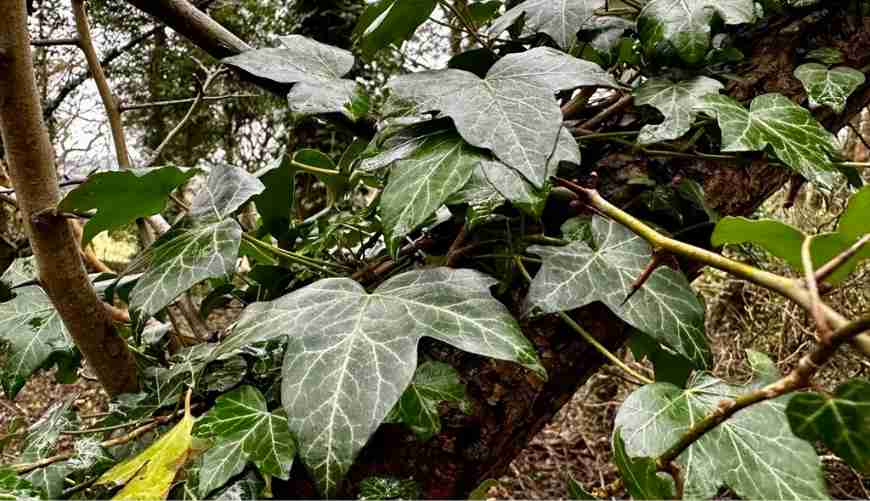
Ivy is an evergreen climber, shade-tolerant, and wonderfully stubborn, it uses tiny rootlets to grip surfaces but rarely damages healthy trees, despite the persistent myth that it “strangles” them. In fact, it supports a wide range of wildlife; its late autumn flowers provide nectar for queen bees stocking up before they hide away over winter and its berries ripen when food is scarce for birds. In folklore, ivy is often paired with holly as a feminine counterpart, which led to rivalry songs such as The Holly and the Ivy.
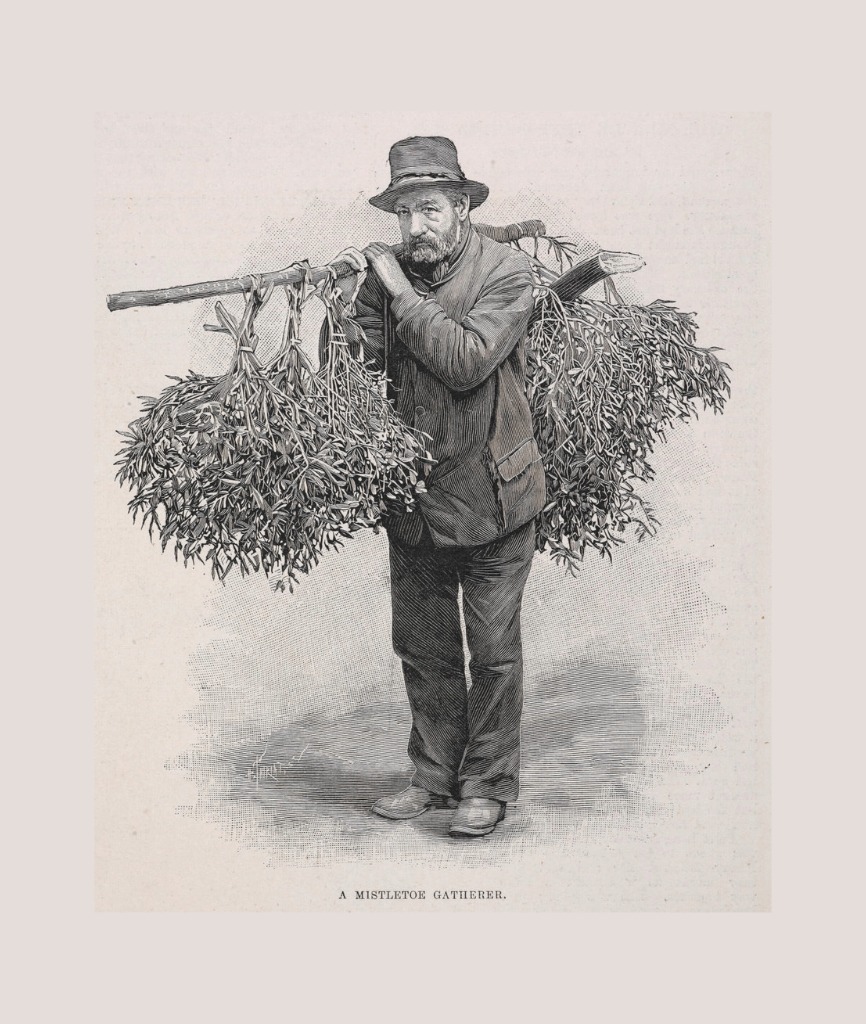
Mistletoe, meanwhile, is a semi-parasitic plant that grows on the branches of host trees like apple, and lime. Its ecological role is surprisingly rich, the white berries feed birds, and several insects rely on it. It’s mostly found in the Midlands, Southern England and Wales. So while it’s very unlikely to be spotted in the North York Moors, its magical reputation still inspires at this time of year, emphasised by the kissing tradition which was started by the ever-romantic Victorians.
Together, holly, ivy and mistletoe form a kind of winter trinity: resilient, symbolic, and deeply entwined with how people in Britain have made sense of the darkest time of year. They remind us that even in midwinter, the landscape is holding its nerve, green, alive, and already thinking about spring.
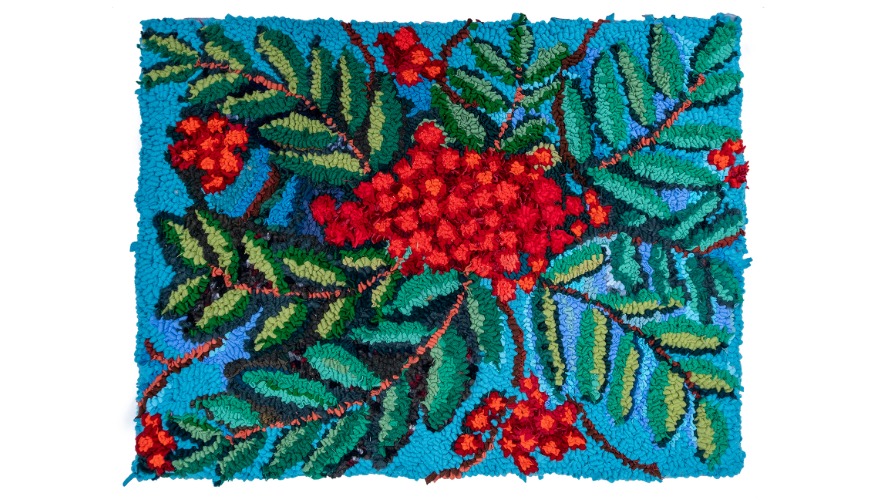
For centuries artists have been inspired by the plants of winter. Here is an example from artist Lu Mason, Berries is one of the artworks on display in the Inspired by... gallery Christmas exhibition at Danby Lodge National Park Centre. The exhibition closes on Sunday 11th January 2026.